


PE Monitoring – Key Steps for Regulatory Compliance
Introduction to PE Monitoring
Pressure equipment, such as refrigeration units, is subject to strict safety and regulatory compliance standards. Bringing this equipment into compliance is essential to ensure proper operation, prevent incidents, and meet legal requirements.
In this article, we will examine the key steps for compliance regarding the PED for refrigeration units, focusing on the specific aspects to consider to ensure their safety and reliability, while respecting the pressure equipment directive.
Link to the Refrigeration CTP of 07/23/2020
Steps to achieve compliance for PE Monitoring
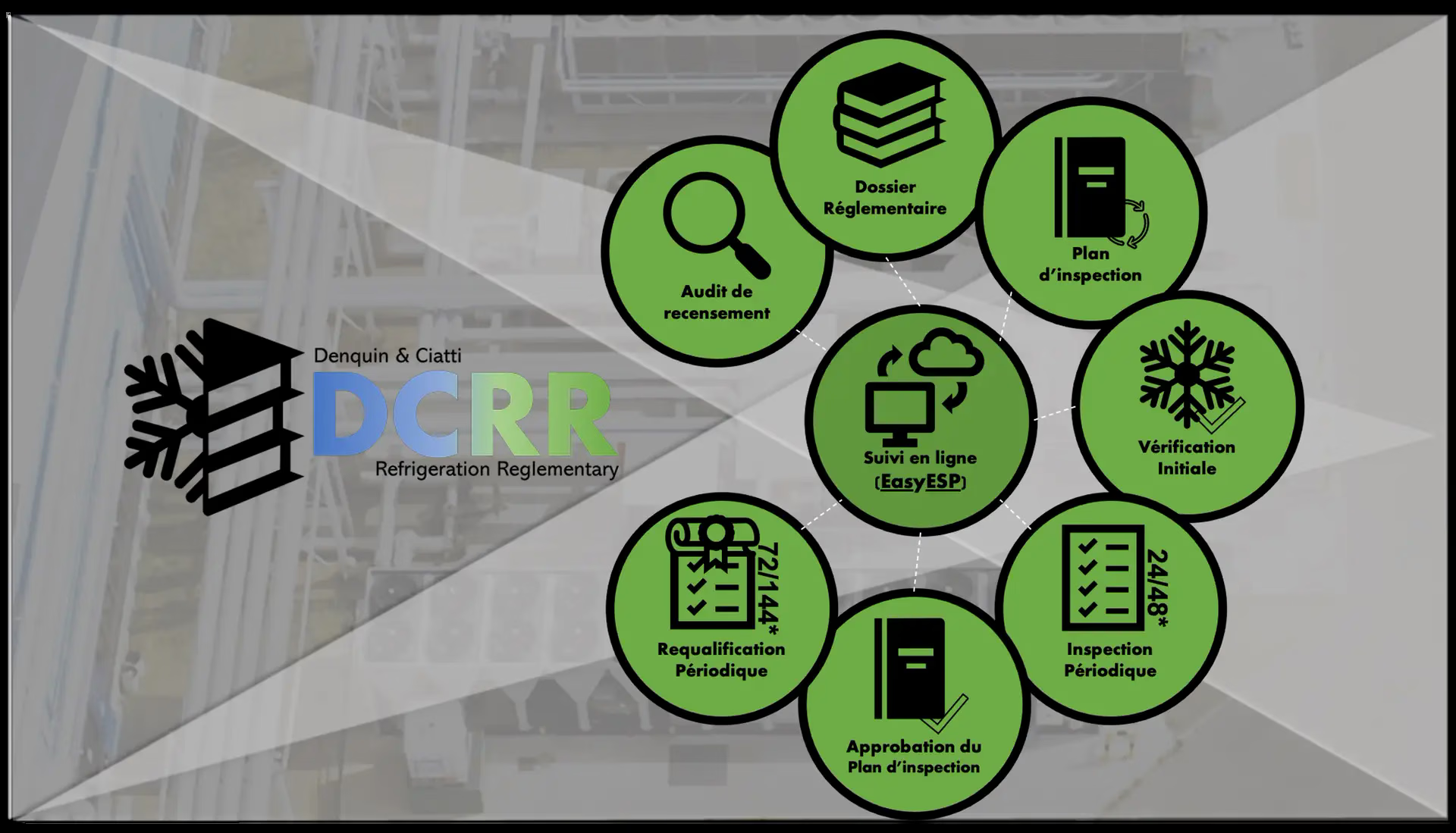
1. Regulatory Audit
The first step is to conduct a thorough assessment of the current state of the refrigeration unit. This includes:
- Complete visual inspection
- Review of technical documents
- Collection of data on its usage and maintenance history
- Analysis of existing conformity certificates
2. Identification of Non-Conformities
Based on the regulatory audit, it is important to identify all non-conformities regarding the monitoring of PE (Pressure Equipment). This may include:
- Worn or non-compliant safety parts and accessories
- Apparent refrigerant leaks
- Design defects
- Lack of monitoring of the refrigeration installation
Inadequate monitoring can lead to regulatory controls up to periodic requalification.
3. Planning Compliance Actions
Once non-conformities are identified, it is necessary to develop a detailed action plan to remedy these issues. This may involve:
- Necessary repairs
- Replacement of defective parts
- Complete overhauls
- Modifications to ensure compliance with regulatory requirements
This planning is essential for commissioning as well as for upcoming regulatory controls.
4. Implementation of Corrective Actions
This step involves executing the corrective actions identified in the established plan. It is essential to:
- Follow maintenance best practices
- Respect safety standards during work
- Ensure the integrity and reliability of the refrigeration unit
- Consider the regulatory procedures to follow
5. Verification and Regulatory Control
Once corrective actions are completed, it is necessary to verify and test the refrigeration unit to ensure that:
- Problems have been resolved
- Equipment operates according to required specifications
- Pressure tests are satisfactory
- Performance tests are conclusive
Once this is assured, we can carry out several controls to bring the refrigeration unit into regulatory compliance with the following regulatory controls:
- Initial Visit
- Periodic Inspection
- Periodic Requalification
All in accordance with the inspection plan in place, which will define monitoring points and regulatory monitoring deadlines.
6. Documentation and Reports (Updating the Regulatory File)
Finally, it is crucial to maintain and document all steps of the compliance process, including:
- Test results and regulatory controls
- Corrective actions performed
- Conformity certificates
- Instruction manuals in French issued by the manufacturer
These documents will serve as proof of compliance in case of inspection by the DREAL, in accordance with the European directive on pressure equipment.
Conclusion
Bringing pressure equipment, such as refrigeration units, into compliance is an essential process to ensure their safety, reliability, and regulatory compliance.
By following the key steps described in this article, operators can ensure that their equipment operates safely and efficiently, while respecting current standards and regulations as well as personnel safety in case of fire, abnormal pressure rise of the refrigeration unit which would trigger safety accessories.
Additional Resources
See our presentation video of the cDESP tool
Source: The DCRR team