


PFAS from Refrigerants in Drinking Water
Introduction
PFAS (per- and polyfluoroalkyl substances), also known as “forever pollutants”, have recently attracted increasing attention due to their persistent presence in the environment, particularly in drinking water.
These substances are used in a variety of industries, including refrigerants. Their non-biodegradable nature and potential to contaminate water resources have concerning consequences for public health.
In this article, we will explore in depth the risks associated with PFAS, particularly TFA (trifluoroacetic acids), their presence in refrigerants, and the French regulations that seek to limit their impact on drinking water.
1. What are PFAS and TFA?
PFAS are a group of more than 4,000 synthetic chemicals used in many products due to their unique properties. These substances are:
- Water-resistant
- Fat-resistant
- Resistant to extreme temperatures
Which makes them useful in products such as:
- Non-stick coatings
- Waterproofing products
- Refrigerants
TFA: a concerning sub-category
Among PFAS, TFA (trifluoroacetic acids) are specific compounds that form during the degradation of refrigerants.
TFA are particularly concerning due to:
- Their persistence in the environment
- Their ability to bioaccumulate in living organisms
- Their potential effects on human health
TFA can be found in:
- Soil
- Water
- Air
Which makes them extremely difficult to eliminate once present.
Watch the video to understand PFAS forever pollutants – France 3 Auvergne-Rhône-Alpes
2. Risks of PFAS in drinking water
The contamination of drinking water by PFAS, particularly TFA, poses serious concerns for public health.
Health effects
These substances are known for their potential toxicity, notably due to their ability to accumulate in the human body. Studies have linked PFAS to:
- Harmful effects on the liver
- Harmful effects on the kidneys
- Damage to the immune system
- Hormonal problems
- Reproductive disorders
Regulatory monitoring
In the European Union and France, health authorities closely monitor PFAS levels in drinking water resources.
Although PFAS concentrations in drinking water are often low, their long-term persistence in the environment represents a growing risk.
Monitoring PFAS in the environment – Prefectures-Regions.Gouv.Fr
Concentration thresholds
In France, concentration thresholds have been established to limit exposure to PFAS, but regulations are still in development.
Refrigerants are a major source of TFA contamination in the environment via PFAS. Leaks, spills, and degradation of these fluids in refrigeration systems can release TFA into water.
PFAS and water intended for human consumption – Sante.Gouv.Fr
3. Refrigerants and PFAS-related TFA: a source of contamination
Refrigerants, used in refrigeration systems, are largely responsible for the presence of TFA in the environment via PFAS.
Affected refrigerants
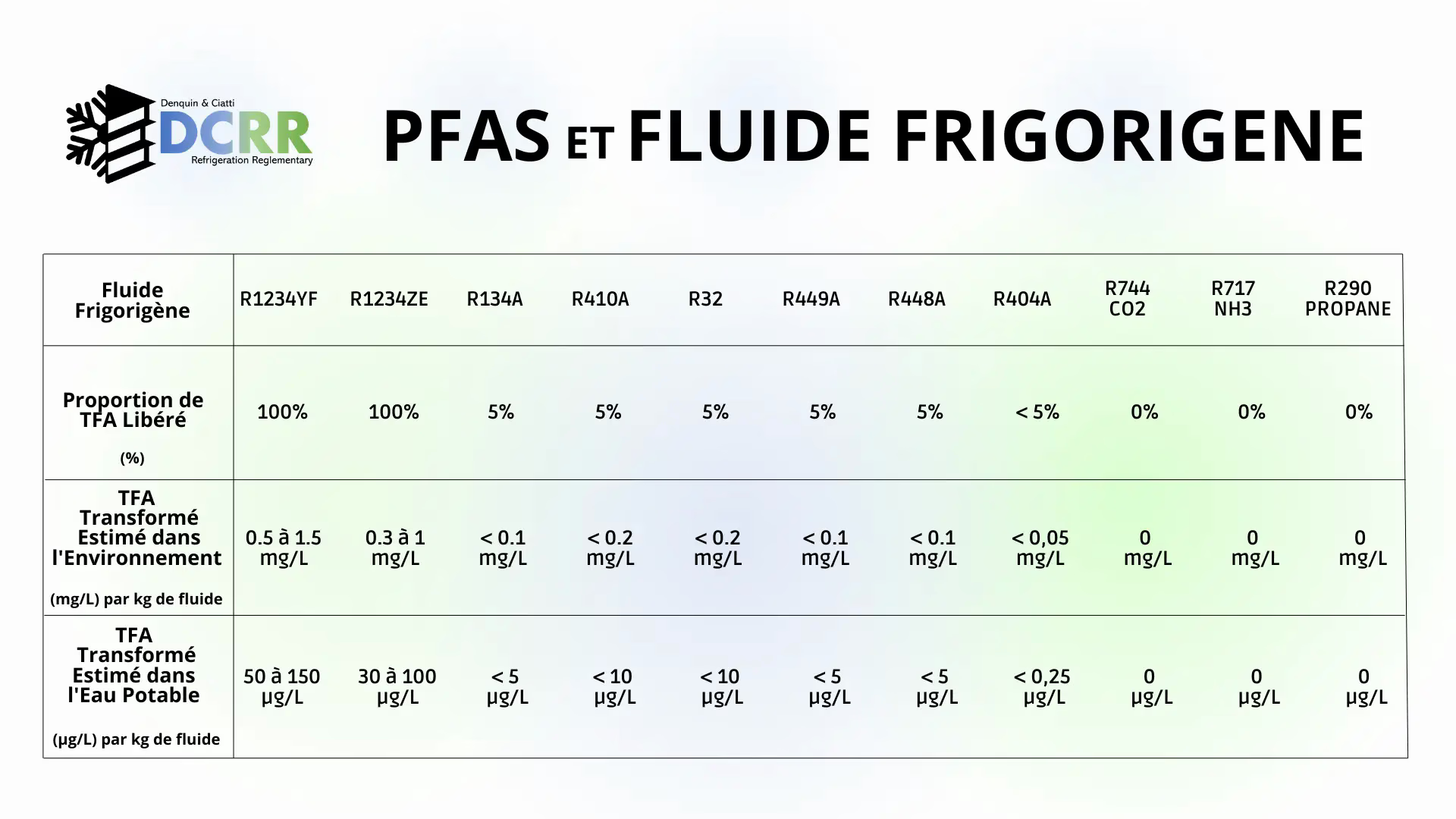
Some of the most commonly used refrigerants contain PFAS compounds that, when degraded, release TFA into the environment:
- R1234YF
- R134A
- R404A
These refrigerants are used in a variety of applications:
- Domestic refrigerators
- Commercial air conditioning systems
- Industrial air conditioning systems
Environmental accumulation
Although the amount of TFA generated by these fluids is low for some, their accumulation over time in ecosystems can have a significant impact.
For example, R1234YF, a next-generation refrigerant, produces TFA in concentrations estimated between 50 and 150 µg/L in the environment for each kilogram of fluid.
These values are relatively low, but the persistence of TFA in the environment makes it a long-term problem due to PFAS compounds in refrigerants.
4. French and European regulations on PFAS and refrigerants
In response to growing concerns about PFAS contamination, France and the European Union have implemented several regulations to limit their impact.
REACH Regulation
The European Union’s REACH (Registration, Evaluation, Authorisation and Restriction of Chemicals) regulation is one of the main regulatory tools aimed at reducing the use of hazardous chemicals, including PFAS.
National PFAS Action Plan
In France, the Ministry of Ecological Transition has issued recommendations to limit the use of PFAS, particularly in refrigerants.
The National PFAS Action Plan aims to reduce contamination by these substances in:
- Drinking water
- Soil
- Air
This plan includes measures to reduce PFAS emissions from refrigerants and other industrial chemicals.
Interministerial PFAS Action Plan – Ecologie.Gouv.fr
This plan, which relies on existing scientific expertise and European and international expert bodies (WHO), defines the Government’s doctrine to reduce the risks associated with PFAS as quickly as possible.
Order of June 20, 2023
ICPE and PFAS – Order of June 20, 2023 relating to the analysis of per- and polyfluoroalkyl substances in aqueous discharges from facilities classified for environmental protection subject to the authorization regime.
Better understand PFAS, their effects, applicable texts – developpement-durable.gouv.fr
5. How to limit the impact of refrigerants on the environment and drinking water?
To limit the impact of refrigerants (PFAS & TFA) on the environment and drinking water, several measures can be taken at different levels.
Recommendations
1. Improved refrigerant monitoring
- Rigorous monitoring processes to prevent leaks into the environment
- Early leak detection
- Regular preventive maintenance
2. Use of less harmful refrigerants Prioritize fluids with low TFA formation potential:
- R744 (CO₂)
- NH₃ (Ammonia)
- R290 (Propane)
3. Regular water quality monitoring
- Monitor the drinking water quality of your sites
- Detect traces of PFAS and TFA at your site or nearby
4. Strengthening leak controls
- Enhanced leak controls for your facilities
- Proper management of industrial waste containing PFAS
- Compliance with environmental regulations
6. Conclusion
PFAS and TFA represent a persistent threat to the environment and human health.
Although refrigerants contribute to their presence in drinking water, adequate regulations and management processes can reduce their impact.
By monitoring TFA levels and adopting safer alternatives, we can:
- Protect drinking water
- Ensure the health of future generations
- Reduce environmental impact
- Ensure regulatory compliance
To learn more about PFAS in refrigerants and their impact, consult DCRR’s article on PFAS.
Additional resources
Discover our other articles on regulations:
- Key steps for compliance (ESP)
- DESP regulation & The CTP
- DESP 2014/68/UE: GUIDE
- DESP – Directive 2014/68/UE: Compliance
- EN 378: Risk Analysis
- HFC Tax – Application from January 1, 2025
Watch our presentation video of the cDESP tool
Source: The DCRR team