



HVAC LOGBOOK – Heat Pump Regulations > 70kW

The Heating, Ventilation, and Air Conditioning (HVAC) Logbook is an essential document for heat pump installations with a capacity exceeding 70 kW.
This comprehensive guide explains everything you need to know about the HVAC Logbook, its importance, and the associated legal requirements.
What is the HVAC Logbook?
The HVAC Logbook is a regulatory document that must be established for heating, ventilation, and air conditioning installations, including heat pumps with a capacity greater than 70 kW.
It aims to guarantee:
- Safety
- Energy efficiency
- Installation compliance
HVAC Logbook Objectives
Safety Ensure that installations are safe for users and the environment.
Energy Efficiency Optimize the energy performance of HVAC systems.
Regulatory Compliance Guarantee that installations comply with current standards and regulations.
Who Does the HVAC Logbook Apply To?
The HVAC Logbook applies to all owners or managers of heating, ventilation, and air conditioning installations with a capacity exceeding 70 kW.
Affected Buildings
Commercial Buildings
- Offices
- Hotels
- Shopping centers
- Educational establishments
- Healthcare facilities
Industrial Buildings
- Factories
- Warehouses
- Logistics facilities
Multi-Unit Residential Buildings
- Apartment buildings with centralized HVAC systems
- Service residences
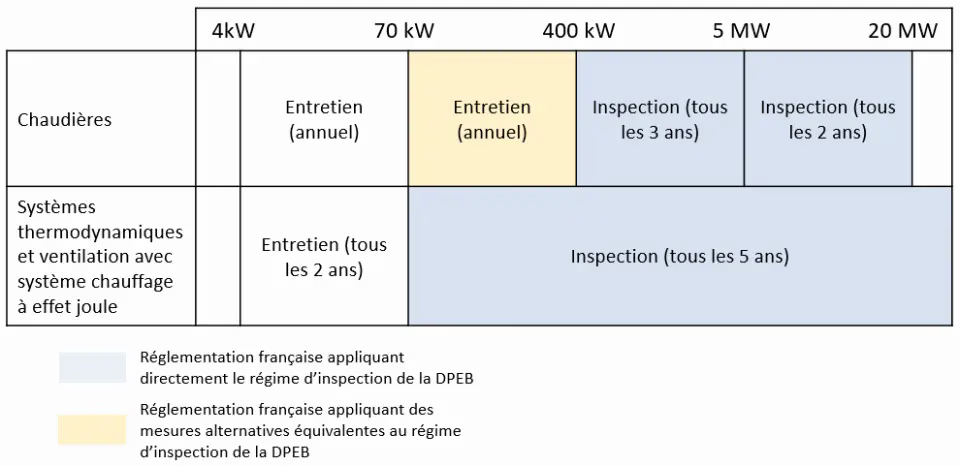
HVAC Logbook Content
The HVAC Logbook must contain several essential pieces of information to guarantee installation compliance and safety.
1. Installation Description
Technical Characteristics
- Details on installed equipment
- System capacity
- Technical specifications
Schematics and Plans
- Detailed installation plans
- Equipment location
- Distribution networks
2. Maintenance History
Maintenance and Servicing
- History of maintenance operations performed
- Intervention dates
- Details of work completed
Inspection Reports
- Periodic inspection reports
- Performed by qualified professionals
- Control results
3. Energy Performance
Energy Consumption
- Monitoring of installation energy consumption
- Consumption history
- Trend analysis
Performance Indicators
- Calculation of energy performance indicators
- Installation efficiency assessment
- COP (Coefficient of Performance)
- EER (Energy Efficiency Ratio)
4. Safety and Compliance
Safety Controls
- Results of safety controls performed
- Safety device verification
- Tightness testing
Compliance Certificates
- Documents attesting to installation compliance
- With current regulations
- With applicable standards
Legal Requirements for Heat Pumps > 70 kW
Heat pumps with a capacity greater than 70 kW are subject to specific requirements regarding safety and energy performance.
1. Periodic Inspection
Frequency Installations must be inspected regularly by a qualified professional according to current regulations.
Objective
- Verify installation compliance
- Guarantee user safety
- Optimize energy performance
2. Regular Maintenance
Maintenance Plan Establish a preventive maintenance plan to ensure proper installation operation:
- Heat exchanger cleaning
- Pressure verification
- Refrigerant fluid control
- Electrical component inspection
Interventions Perform maintenance interventions according to:
- Manufacturer recommendations
- Regulatory requirements
- Operating conditions
3. Performance Monitoring
Measurement Tools Install measurement tools to monitor:
- Energy consumption
- Installation performance
- Operating temperatures
- Refrigerant flow rates
Data Analysis Analyze collected data to:
- Identify improvement opportunities
- Detect operational anomalies
- Optimize energy efficiency
- Reduce unnecessary consumption
Tips for Successful Compliance
To guarantee compliance of your heat pump installation over 70 kW, follow these tips:
Staff Training
Ensure your staff is trained in:
- Regulatory requirements
- Maintenance procedures
- HVAC installation safety
- Energy best practices
Regulatory Monitoring
Stay informed about:
- Regulatory changes
- Standards applicable to HVAC installations
- New available technologies
- Manufacturer recommendations
Collaboration with Experts
Work with qualified professionals to:
- Conduct periodic inspections
- Perform maintenance interventions
- Optimize energy performance
- Guarantee regulatory compliance
Complete Documentation
Maintain a complete and up-to-date HVAC Logbook for each installation:
- Centralize all technical documents
- Archive intervention reports
- Keep compliance certificates
- Update maintenance histories
Outlook After Compliance
Once your installation complies with HVAC Logbook requirements, you can:
Optimize Performance
Use collected data to:
- Optimize your installation’s energy efficiency
- Adjust operating parameters
- Improve occupant comfort
- Reduce energy consumption
Reduce Costs
Improving energy performance allows you to:
- Reduce operating costs
- Minimize energy consumption
- Extend equipment lifespan
- Decrease maintenance expenses
Continuous Improvement
Engage your company in a continuous improvement process to:
- Optimize installation safety
- Improve energy performance
- Comply with regulatory changes
- Maintain compliance over time
Conclusion
The HVAC Logbook is an essential tool for guaranteeing the safety and compliance of heating, ventilation, and air conditioning installations, including heat pumps with a capacity greater than 70 kW.
By following this guide and implementing best practices, you will ensure:
- Compliance of your installations
- Energy efficiency of your buildings
- User safety
- Optimization of operating costs
For more information on regulatory requirements and HVAC best practices, visit our website dcrr.fr and explore our dedicated articles.
Source: The DCRR Team