


PED 2014/68/EU: Free Guide

In the industrial sector, safety is paramount. The Pressure Equipment Directive (PED 2014/68/EU) is an essential regulation aimed at ensuring the safety of installations using pressure equipment. In this article, DCRR explains the issues, requirements, and steps for PED compliance.
What is the Pressure Equipment Directive?
The Pressure Equipment Directive (2014/68/EU) is a European legislation that regulates the design, manufacture, and use of equipment containing pressurized fluids. It applies to a variety of equipment, such as:
- Boilers
- Storage tanks
- Piping
- Refrigeration systems
- Similar industrial equipment
The main objective of this directive is to prevent serious accidents and protect the health of workers as well as the general public.
Application Threshold
Pressure equipment is often subjected to extreme conditions, making it potentially dangerous in case of failure. The PED imposes strict safety standards to minimize these risks.
It applies to any equipment operating at a pressure greater than 0.5 bar, which includes a wide range of devices, from simple pipes to complex installations.
Why is the PED Crucial?
1. Protection of Persons
Pressure equipment can lead to significant hazards, such as explosions or leaks. The PED imposes strict standards to reduce these risks and ensure a safe working environment.
In case of non-compliance, the consequences can be catastrophic, both in human and material terms.
2. Harmonization of Standards
By establishing uniform requirements, the PED facilitates trade between EU member states. This allows manufacturers to offer their products in different countries without having to comply with disparate regulations.
This harmonization also promotes competition and innovation within the European market, allowing companies to focus on the quality and safety of their products.
3. Legal Compliance
Failure to comply with the PED can lead to severe sanctions, ranging from fines to facility closures. By complying with this directive, companies protect not only their reputation but also their economic viability.
PED compliance is therefore not only a safety issue but also a legal obligation.
Key Requirements of the PED
The PED imposes several important requirements that companies must meet:
Conformity Assessment
Manufacturers must demonstrate that their equipment meets safety standards by conducting rigorous tests and evaluations. This often involves:
- Laboratory testing
- On-site inspections
- Compliance verification
Technical Documentation
Comprehensive documentation is required, including information on:
- Equipment design
- Manufacturing processes
- Test results performed
This documentation must be available for inspection by competent authorities and must be kept up to date throughout the equipment’s life cycle.
CE Marking
All equipment compliant with the PED must bear the CE marking, attesting to their conformity with European Union safety requirements.
This marking is a guarantee of quality and safety for users, and it is essential for placing equipment on the market.
Steps to Ensure PED Compliance
To comply with the PED, here are the steps companies must follow:
1. Equipment Identification
Determine which pressure equipment is covered by the directive. This includes:
- New equipment
- Those already in service
- Modified equipment
A complete analysis of equipment inventory is essential.
2. Risk Assessment
Conduct a risk analysis to identify potential hazards associated with each piece of equipment. This assessment must take into account:
- Operating conditions
- Maintenance practices
- Work environments
Involving operators and maintenance personnel in this assessment can provide valuable perspectives.
3. Choice of Assessment Procedure
Select the appropriate conformity assessment procedure, which may vary depending on the type and complexity of the equipment.
Procedures may include:
- Internal audits
- Third-party inspections
- Specific certifications
It is crucial to choose the most suitable method to ensure safety and compliance.
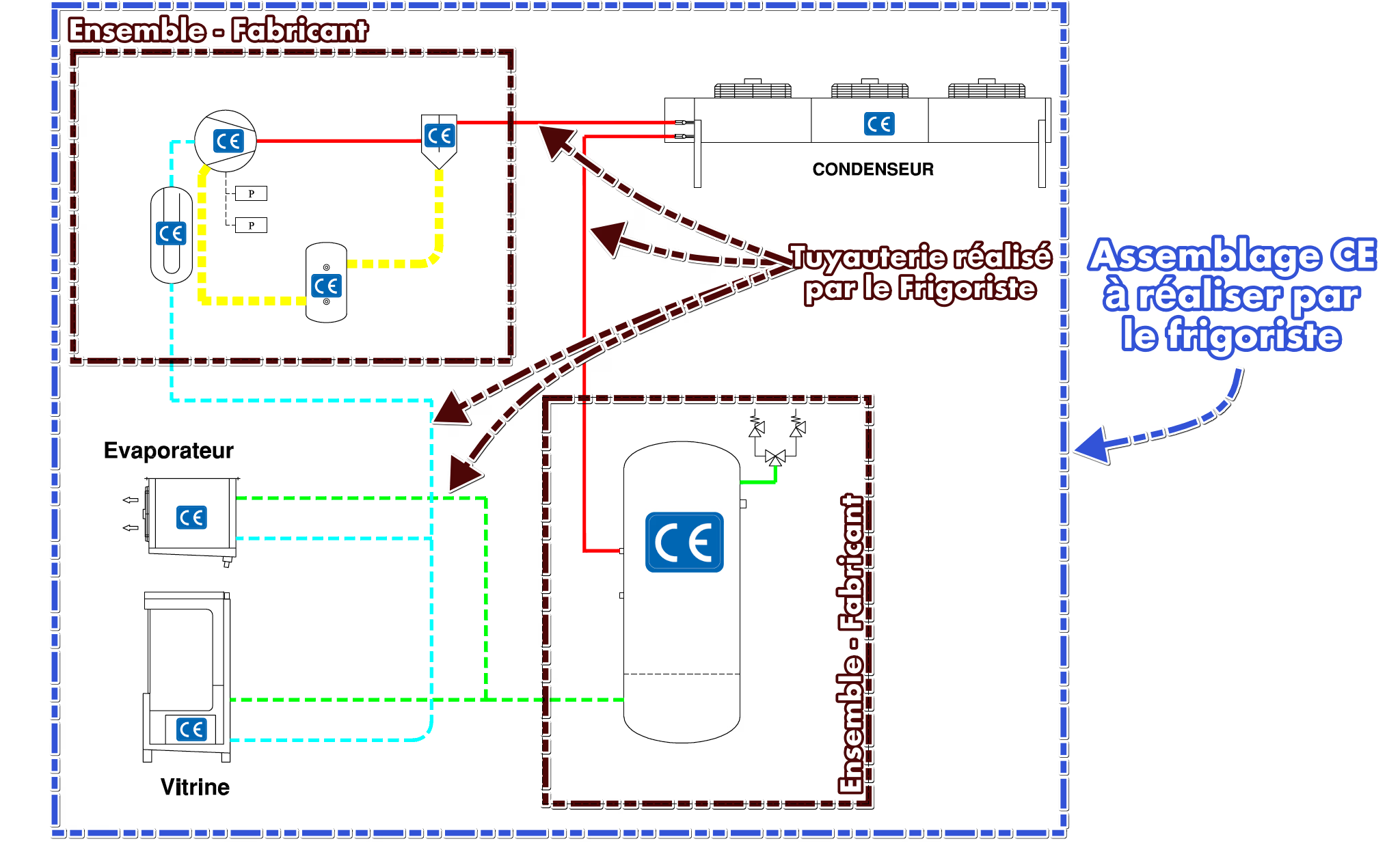
PED - CE Assembly Refrigeration
Additional Resources
See our presentation video of the cPED tool
Source: The DCRR team